
Roof problems are not always easy to spot, especially when damage develops beneath shingles, around flashing, or inside the attic. For homeowners in Thomasville, GA, humid summers, heavy rain, and sudden storms can place steady pressure on roofing materials.
Small issues may remain unnoticed until moisture stains, damaged shingles, or other signs of hidden roof damage appear. Knowing how to check for roof damage can help homeowners address concerns before repairs become more extensive.
Key Takeaways
- Hidden roof damage can develop before leaks or major interior problems become visible.
- Storm damage can affect shingles, flashing, roof edges, and other vulnerable areas.
- A roof inspection for hidden damage can uncover concerns that homeowners cannot safely identify from the ground.
- Annual roof maintenance can help homeowners address small problems before they lead to more costly repairs.
How Thomasville Homeowners Can Catch Hidden Roof Damage Early
South Georgia heat, humidity, heavy rain, and seasonal storms can expose roofing materials to repeated stress. In Thomasville, recognizing specific warning signs can help homeowners know when the roof needs closer attention.
Watch for Changes in Shingle Appearance
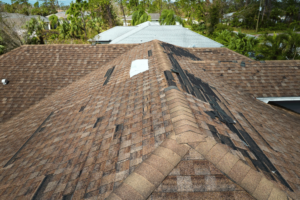
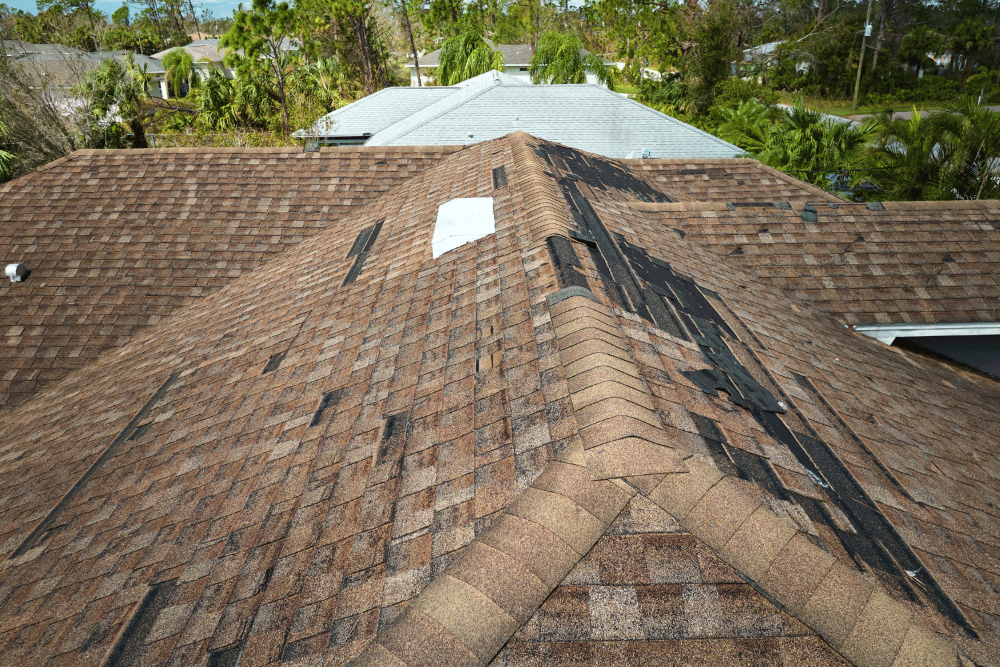
Shingles can reveal roof trouble before water reaches the home’s interior. Repeated summer heat can leave shingles curled, cracked, lifted, or heavily worn. Look for these changes from the ground. Dark patches or missing shingles may also signal damage that deserves professional evaluation.
Check Ceilings and Walls for Moisture Clues
Interior moisture can reveal problems that remain hidden on the roof. Watch for stains, peeling paint, damp drywall, or discoloration near ceilings. Heavy South Georgia rainfall can expose small openings that stayed unnoticed during dry weather. Even minor staining may justify further inspection.
Look Inside the Attic for Warning Signs
An attic can reveal moisture problems before they spread into living areas. Damp insulation, stained wood, musty odors, or unexpected daylight may indicate roof openings. Problems around attic insulation can also deserve closer attention when moisture reaches the space. Avoid unsafe attic areas and let roofing professionals investigate uncertain signs.
Check the Property for Storm-Related Clues
Storm damage can leave clues around the property without causing an immediate leak. Shingle pieces, roofing debris, or damaged materials near the home can signal trouble. Fallen branches may also point to roof impact. These ground-level clues can help Thomasville homeowners recognize when the roof needs closer evaluation.
Monitor Flashing and Roof Openings From the Ground
Flashing protects areas where vents, chimneys, and other openings interrupt the roof surface. Loose or shifted materials can create paths for rainwater. Visible changes may appear from a safe location. Areas near skylight and sun tunnel installations also deserve careful observation because they interrupt the roof surface.
Recognize Patterns That May Point to Replacement
Repeated leaks, widespread shingle deterioration, or repairs across several areas can be signs your roof needs replacement. One isolated issue may not mean much on its own. A pattern developing across the roof deserves closer attention. Understanding residential re-roofing options can provide useful context while a professional explains what those recurring signs may mean.
Key Inspection and Maintenance Steps to Protect Your Roof
Preventing costly roof damage requires consistent care throughout changing weather conditions. In Thomasville, humid summers and sudden afternoon storms make regular follow-through especially valuable.
Schedule Routine Professional Roof Inspections
Routine inspections give homeowners a clearer view of roof condition over time. A professional can examine shingles, flashing, penetrations, and drainage areas for deterioration. A roof inspection for hidden damage can also reveal concerns that casual observation may miss. Early findings can support better maintenance decisions.
Arrange an Inspection After Significant Weather
Scheduling an inspection soon after a major storm gives a roofer time to assess changes before another round of rain arrives. Note the storm date and any changes noticed afterward. This simple record can make follow-up clearer and help homeowners explain when a roofing concern began.
Keep Gutters and Drainage Paths Clear
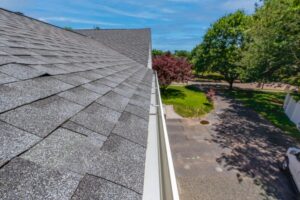
Gutter systems help move rainwater off the roof and away from vulnerable edges. When drainage slows, water can spill over and repeatedly soak fascia or roof-edge materials. Regular cleaning helps water follow the intended path. This matters during the heavy downpours common across South Georgia.
Repair Small Problems Promptly
Prompt roof repair can keep a small concern from becoming more expensive. Repeated rain can keep reaching the same weak spot and expand the affected area. Professional residential roof repair can address the source before continued exposure creates a larger problem. A proper fix should address the cause instead of simply covering it.
Manage Nearby Trees and Roof Debris
Mature trees can place branches close to roofing surfaces, especially around established Thomasville properties. Branches can also drop twigs or leaves onto the roof surface. Wind can push limbs against the roof or break weakened branches. Regular trimming can create safer clearance around the home. Qualified professionals should handle large or hazardous limbs.
Maintain the Roof After Replacement
A new roof still needs regular attention because it continues to face weather exposure. Roof maintenance after replacement can include debris removal, inspections, and post-storm checks. Homeowners can use roof preventative maintenance as part of an ongoing care plan. Annual roof maintenance can help catch developing problems early.
Address Hidden Roof Damage Before Another Storm Adds to the Problem
Tadlock Roofing can help Thomasville homeowners respond when moisture, storm damage, worn materials, or other roofing warning signs appear. Addressing potential damage early can clarify the roof’s condition before another severe weather event increases the problem.
Contact us to schedule an inspection and get clear guidance on the next steps to protect your home.
Frequently Asked Questions
What are common signs of hidden roof damage?
Common signs include ceiling stains, damp insulation, musty attic odors, damaged shingles, loose flashing, and unexplained moisture. Thomasville homeowners can use these clues to decide when a professional inspection makes sense.
How should I check for roof damage after a storm?
Inspect the property from the ground and check ceilings or attic areas for moisture. Look for roofing debris, displaced shingles, or new stains. Avoid climbing onto damaged, wet, or unstable roofing surfaces.
How often should homeowners schedule roof inspections?
Periodic professional inspections can help Thomasville homeowners monitor roof condition. Additional inspections may help after severe storms or when you notice visible damage. Roof age, materials, repairs, and weather exposure can affect inspection needs.
Does hidden damage mean my roof needs replacement?
Not necessarily. Some hidden damage may affect only a repairable area. Replacement may become appropriate when deterioration is widespread or recurring. A professional inspection can help determine suitable roofing options.