

A reliable roof protects your home from North Florida’s changing weather. Each roofing component serves a specific purpose. Understanding roof components for Florida homes helps Greenville, FL homeowners make informed maintenance decisions.
Greenville sits in Madison County, where summer thunderstorms can bring intense rainfall and strong wind gusts. Tree debris and prolonged humidity can also create roofing concerns.
Shingles, underlayment, flashing, and ventilation protect different parts of your home. Understanding these components helps you recognize damage, ask informed questions, and plan appropriate roof maintenance.
Key Takeaways
- Shingles, underlayment, flashing, and decking protect different parts of a roof against weather exposure and moisture intrusion.
- Proper roof ventilation helps Greenville homeowners manage attic heat and moisture during North Florida’s humid summers.
- Routine maintenance helps identify damaged materials, drainage blockages, and fastening problems before they become more serious.
- Professional inspections help homeowners assess roof conditions and decide whether to do targeted repairs or replace the roof.
How Essential Roof Components Protect Greenville Homes From Florida Weather
Each roofing component performs a different protective function. Together, these materials help homes withstand rainfall, heat, and wind. Understanding their roles helps homeowners evaluate roofing systems.
Roofing Shingles Protect Against Rain and Wind
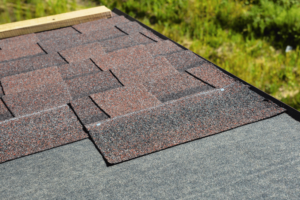
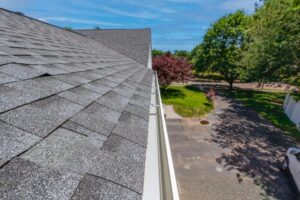
Shingles form the exposed outer covering of many residential roofs. Their overlapping design directs rainwater toward the roof edges. Common roofing shingle types include three-tab and architectural asphalt shingles.
Architectural shingles feature multiple layers that create a thicker profile. Proper installation helps shingles maintain coverage during strong gusts and wind-driven rain.
Roof Underlayment Provides an Additional Water Barrier
Roof underlayment creates a secondary water barrier beneath the outer roofing material. It helps protect the decking when water reaches beneath the primary roof covering. Common options include synthetic underlayment and asphalt-saturated felt. Some roofing systems also use self-adhering membranes in designated areas.
Contractors select products according to roof design, material compatibility, and applicable requirements. Correct overlaps and secure installation help maintain the protective barrier.
Roof Flashing Keeps Water Away From Vulnerable Areas
Roof flashing protects joints around chimneys, skylights, walls, and vents. These intersections require special detailing because water can enter through poorly sealed connections. Contractors shape metal flashing to guide runoff across adjoining roofing surfaces. Step flashing, counterflashing, and pipe flashing serve different connection points.
Properly installed flashing helps protect interior spaces near these roof penetrations. Secure connections are especially important during periods of wind-driven rain.
Roof Ventilation Helps Control Heat and Moisture
The importance of roof ventilation becomes clear during North Florida’s humid summers. A balanced system encourages airflow through the attic. Common roof vent types include ridge vents, soffit vents, and roof-mounted exhaust vents. Intake openings admit outside air, while exhaust vents release warmer attic air.
Contractors must match the ventilation arrangement to the roof’s design. Proper attic insulation and air sealing also help control attic conditions.
Roof Decking Supports the Roofing System
Roof decking provides the structural surface beneath the roofing layers. Most residential systems use plywood or oriented strand board panels. Contractors attach these panels to the roof framing using approved fastening methods. Decking supports roofing materials and helps distribute loads across the structure. Panel thickness, spacing, and attachment requirements influence its performance.
Roofing Nails Keep Materials Secure
Roofing nails fasten shingles and other approved materials to the supporting structure. Their placement and penetration depth influence attachment strength. Hot-dip galvanized roofing nails feature a zinc coating that helps resist corrosion. Contractors must choose fasteners that meet the roofing manufacturer’s specifications. Incorrect nail placement can reduce resistance to wind uplift.
Gutters and Drip Edges Manage Rainwater
Gutters collect runoff along the roof’s lower edges. Downspouts direct water toward designated drainage areas. Drip edges guide runoff away from exposed roof edges and help protect underlying materials. These components manage how rainwater leaves the roofing system. Homes with limited ground drainage need careful downspout placement. Proper drainage helps reduce water accumulation near exterior walls and foundations.
Roofing Materials Affect Long-Term Performance
Roofing materials differ in weight, durability, appearance, and maintenance requirements. Asphalt shingles provide a relatively lightweight covering with familiar residential styling. Metal roofing offers a different appearance and typically requires less frequent surface maintenance. Clay and concrete tiles create distinctive profiles but add more weight to the roof structure. Aluminum roofing offers a lightweight metal option with corrosion resistance. Each material’s characteristics affect its long-term performance and maintenance needs.
What to Check When Maintaining or Replacing Roof Components
Homeowners can identify several roofing concerns without climbing onto the roof. Start with visible changes around the property. Ask a professional to investigate hidden or potentially unsafe conditions.
Look for Cracked or Missing Shingles
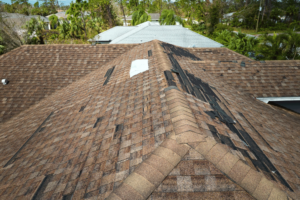
Examine the roof from the ground for missing, curled, or cracked shingles. Watch for uneven areas or exposed patches. After Greenville’s summer thunderstorms, check the yard for displaced roofing pieces. Granules near downspouts may indicate wear, though some loss is normal. Avoid climbing onto the roof to investigate.
A contractor can assess affected shingles and recommend roof repairs when the surrounding roofing remains sound.
Review Underlayment During Roof Repairs
Ask your contractor to inspect underlayment whenever repairs expose the lower roofing layers. Request an explanation of any tears, deterioration, or incorrect overlaps. These defects can weaken the secondary water barrier. During replacement, review the proposed underlayment product before installation begins.
Confirm that it suits the selected roofing material and roof design. Your contractor should explain how the installation will meet applicable requirements.
Check Flashing for Rust and Loose Sections
Look for rust, lifted edges, or visible gaps around roof penetrations. Check nearby ceilings and walls for water stains. These marks may indicate a flashing problem, although leaks can originate elsewhere. Ask a roofing professional to identify the moisture source. Damaged flashing may require replacement rather than another application of sealant. A complete repair should restore secure connections between adjoining surfaces.
Examine Roof Vents for Blockages
Check visible vent openings for debris, damaged covers, or blocked airflow paths. Leaves and small branches can collect around roof-mounted openings. Inspect soffit vents from a safe position for obvious obstructions. Greenville’s humid summers make attic moisture signs especially important to watch for.
Inside the attic, note persistent damp odors or condensation. These symptoms may indicate ventilation problems or other moisture sources. A professional can evaluate the system and recommend suitable corrections.
Watch for Signs of Damaged Roof Decking
Look for sagging roof sections or uneven areas along the roofline. Inside the home, watch for persistent ceiling stains or softened surfaces. These conditions may signal deterioration beneath the roof covering. During replacement, ask contractors to examine exposed decking panels. They should replace weakened sections before installing new roofing materials. Avoid walking on any roof that shows signs of structural instability.
Confirm Proper Roofing Nail Installation
Ask your contractor which fasteners the selected roofing system requires. Compare the proposed fasteners against the manufacturer’s specifications for length, placement, and corrosion resistance. Look for exposed nail heads or loose fasteners that may indicate installation problems. A roofing professional can inspect these conditions and explain whether corrective work is necessary.
Clean Gutters and Inspect Roof Edges
Clear leaves, twigs, and sediment from gutters and downspouts. Greenville properties near mature trees may need extra cleaning after heavy leaf or branch drop. Check gutter brackets for looseness and inspect visible drip edges for damage. Make sure downspouts carry runoff away from the foundation.
Watch for overflowing sections during rainfall from a safe location. Schedule cleaning when debris prevents proper drainage.
Compare Roofing Materials Before Replacement
Ask your contractor how the proposed roofing system’s weight affects your home’s structure. Review its wind ratings, maintenance needs, and warranty coverage. Find out whether the existing framing requires a structural assessment. Request recommendations based on your roof’s slope and construction. Ask how installation requirements affect the project budget. Compare these answers before choosing a replacement system.
Arrange an Inspection After Severe Weather
Walk around your property after a storm when conditions are safe. Look for fallen branches, roofing debris, and visible damage along the roofline. Check interior ceilings and accessible attic areas for new water stains. Photograph damage from the ground without entering unsafe areas. Arrange a professional inspection before attempting repairs.
Keep photographs and inspection findings if you need documentation for an insurance discussion.
Schedule a Roof Inspection Before the Next Storm Tests Your Greenville Home
Tadlock Roofing helps Florida homeowners identify roofing problems and make informed repair decisions. Since 1980, our company has helped protect more than 100,000 Florida families. Our W2 employee crews provide roof inspections, repairs, and replacements.
A professional assessment can identify damaged shingles, deteriorating flashing, and other components that need attention.
Whether your Greenville home has storm damage or an aging roof, our team can evaluate its condition. Contact us today to schedule a free roof inspection and discuss your roofing needs.
Frequently Asked Questions
What are the most important parts of a residential roof?
Shingles shed rainwater, while underlayment provides secondary protection. Flashing protects roof intersections, and decking supports the roofing system. Ventilation manages attic conditions, while fasteners secure the installed materials.
How often should Greenville homeowners inspect their roof components?
Greenville homeowners should consider annual professional roof inspections and additional assessments after severe storms. Inspections can reveal missing shingles, damaged flashing, blocked drainage components, and other conditions that need attention.
Can damaged roof components be repaired without replacing the entire roof?
Contractors can often repair individual components when the surrounding roof remains sound. The damage’s location, severity, and extent influence the decision. A professional inspection helps determine whether repairs or replacement make sense.
Why is proper roof ventilation important for Florida homes?
Proper ventilation helps manage attic heat and moisture during Florida’s humid weather. Balanced airflow supports moisture control, while suitable insulation and air sealing help maintain the roofing system’s overall performance.