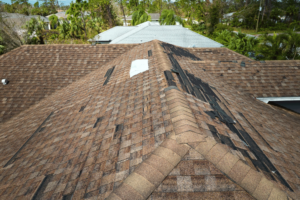

Falling leaves and roof debris can damage homes in Crawfordville, FL. Leaves often collect in roof valleys, gutters, and around vents. These areas help direct rainwater away from the roof. When debris accumulates, it slows drainage and traps moisture against roofing materials. Over time, prolonged moisture exposure can weaken aging shingles and increase leak risk.
The area’s humid climate can worsen these problems. Heavy rainfall can quickly overwhelm a blocked drainage system. Regular maintenance helps homeowners protect their roofs and avoid preventable water damage.
Key Takeaways
- Wet leaves can trap moisture against shingles and accelerate deterioration of roofing materials.
- Clogged gutters can expose fascia boards and roof edges to repeated water overflow.
- Blocked downspouts can direct excess rainwater toward foundations and landscaping.
- Seasonal inspections help homeowners identify debris-related problems before water reaches interior materials.
How Leaf Buildup Can Lead to Roof Leaks and Water Damage
Leaves can damage a roof in several ways. Some hold moisture against roofing materials. Others interfere with drainage or conceal openings where rainwater can enter.
Trapped Leaves Keep Roof Shingles Damp
Wet leaves can hold moisture against asphalt shingles long after rainfall stops. Crawfordville’s humid conditions may slow evaporation, especially on shaded roof slopes. Prolonged dampness can accelerate wear on aging shingles.
Understanding how leaves damage roof shingles helps homeowners recognize why moisture retention matters. Repeated exposure may shorten the useful life of already deteriorating roofing materials.
Roof Debris Can Block Important Drainage Areas
Roof valleys concentrate runoff from adjoining slopes into narrow channels. Leaves and twigs can pile up where these slopes meet.
During intense rainfall, water may spread beyond the valley’s intended drainage path. This increases the risk of roof debris and moisture damage near valley seams. Damaged valley flashing can make these locations especially vulnerable to water intrusion.
Clogged Gutters Can Contribute to Roof Leaks
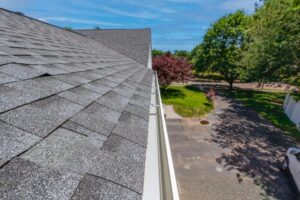
Gutters collect rainwater along roof edges and direct it to downspouts. When leaves fill the channels, water can spill behind the gutter. Repeated overflow may soak fascia boards and deteriorate exposed roof-edge materials.
Clogged gutters and roof leaks can become connected when water reaches vulnerable roofing joints. Properly maintained gutter systems help direct rainwater away from the roof perimeter.
Blocked Downspouts Prevent Proper Water Flow
Downspouts carry rainwater from gutters to designated discharge areas. Leaves can lodge inside elbows and restrict this flow. Water may then spill near the home’s foundation instead of reaching the intended outlet. Gutter drainage problems can contribute to soil erosion and standing water near foundations. Low-lying yard areas may pool more water during prolonged rainfall.
Debris Can Hide Damaged Roof Flashing
Wind-driven rain during North Florida storms can test the flashing around vents, chimneys, and roof transitions. After strong winds, leaves and small branches may collect against these raised components.
Thick debris can conceal lifted flashing edges, loose fasteners, or deteriorated sealants. When another storm arrives, rainwater may enter through openings beneath the debris. These hidden defects can allow leaks to develop before homeowners notice exterior damage.
Persistent Moisture Can Encourage Organic Growth
Shaded roof sections may stay damp longer when leaves cover their surfaces. These conditions can support algae or moss growth. Moss can retain additional moisture around shingles and interfere with normal drying.
Florida’s frequent rainfall may prolong these damp conditions. However, discoloration alone does not confirm roof damage. A professional can distinguish surface growth from deterioration of the material.
Water Intrusion Can Affect Interior Materials
During prolonged North Florida rainstorms, water may enter through roofing defects and travel along decking or framing. It can soak attic insulation before homeowners notice ceiling stains. Persistent wet weather may also delay drying in affected areas.
Homeowners should watch for peeling paint, damp insulation, and musty odors after heavy rainfall. Because water can travel, an interior stain may appear far from the roof opening. Professional attic insulation services may be relevant when an assessment identifies insulation that needs attention.
Roof and Gutter Maintenance Priorities for Crawfordville Homeowners
Crawfordville’s wooded residential properties can experience recurring leaf and branch accumulation. Seasonal rainfall makes timely roof care especially important. Each maintenance step below addresses a separate area of protection.
Schedule Regular Professional Roof Inspections
A professional inspection provides a detailed assessment of the roof’s overall condition. Roofers can document shingle wear, flashing defects, and vulnerable roof transitions. An annual roof inspection for debris damage helps establish a maintenance history. After severe storms, another inspection can identify changes since the previous assessment. These findings help homeowners prioritize preventative roof maintenance based on actual conditions.
Remove Leaves Before They Become Saturated
Focus leaf removal on debris resting directly against roofing surfaces. Dry leaves usually separate more easily than wet, compacted layers. Remove leaves before repeated rainfall makes buildup difficult to remove. Professionals can choose cleaning methods suited to asphalt, metal, or tile roofing. Homeowners should avoid walking on slippery or fragile roof surfaces.
Keep Gutters and Downspouts Clear
Clean the full drainage route, including gutter channels, accessible downspout openings, and outlets. Remove leaves, twigs, and sediment from areas you can reach safely. After cleaning, check that water flows freely through each outlet. Schedule more frequent service if mature trees surround your home. Keep a record of cleaning dates to help plan future maintenance.
Check Roof Edges for Moisture Damage
After persistent rain, examine visible fascia boards, soffits, and trim from the ground. Note any changes in color, shape, or surface condition. Compare the same spots over time, especially after another period of heavy rainfall. Take photos if you notice a new or worsening concern. Ask a roofer to assess the area before more rain arrives. A roofer can recommend repairs based on what they find.
Trim Branches That Extend Over the Roof
Trees surrounding Crawfordville properties can extend branches across roofing surfaces. Overhanging limbs increase leaf deposits and may scrape shingles during strong winds. Qualified tree professionals can create appropriate clearance without damaging the trees. They should also assess weak or broken limbs before tropical weather arrives. Homeowners should never trim branches near electrical lines.
Look for Hidden Moisture in the Attic
After heavy rain, check accessible attic areas without disturbing insulation or walking outside safe access points. Note where and when anything looks different from your previous check. Take photos so you can compare changes after future storms. Roof leaks and condensation can look similar. Before arranging repairs, ask a roofer to check ventilation and identify the likely moisture source.
Prepare for Crawfordville’s Heavy Rainfall
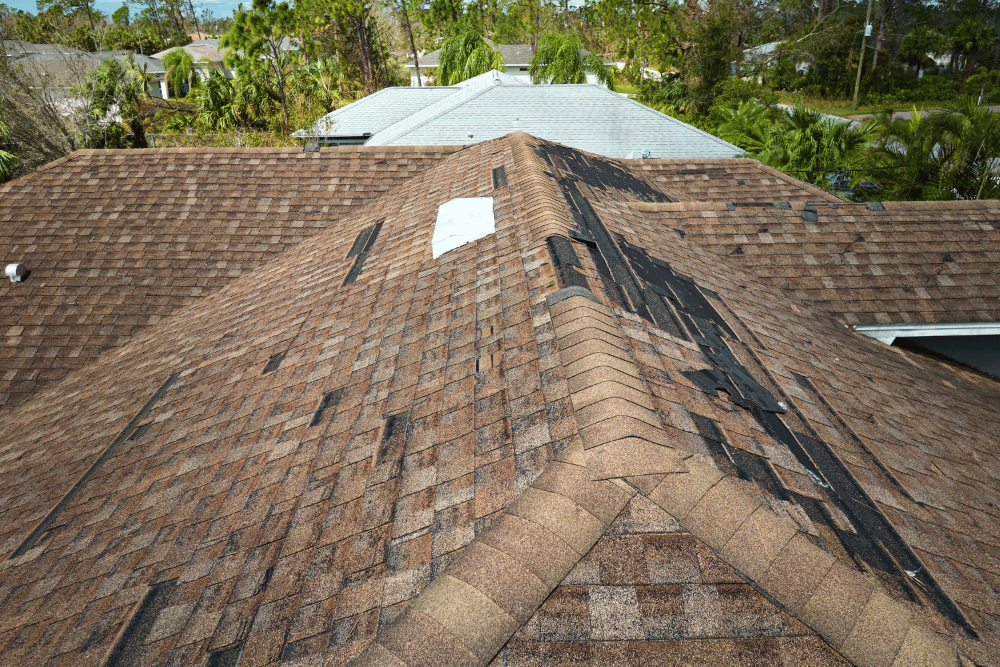
Crawfordville experiences heavy seasonal rain and potential impacts from tropical storms. Before severe weather, homeowners should arrange necessary maintenance and secure loose outdoor items. Afterward, they can check for displaced shingles or fallen branches. Photos of visible storm damage may help document changes. Avoid climbing onto the roof after severe weather.
Address Minor Roof Damage Without Delay
Small roofing defects need repairs that address their specific causes. A roofer can identify and repair the specific defect before it worsens. Learning how to prevent roof damage from leaves includes fixing defects before debris and rain worsen them.
Professional roof repair can address identified problems before additional rainfall causes further deterioration. Temporary coverings may offer short-term protection but cannot replace proper repairs. Timely work helps preserve the surrounding roofing materials.
Schedule a Roof Inspection Before Falling Leaves Lead to Water Damage
Tadlock Roofing helps Florida homeowners identify roof debris, drainage concerns, and moisture-related damage before problems worsen. Our employee-based crews inspect vulnerable roofing areas and recommend practical maintenance or repair solutions.
Crawfordville’s heavy rainfall can turn overlooked leaf buildup into an urgent roofing concern. Scheduling an inspection early gives you time to address problems before the next storm. Contact us today to schedule a free roof inspection and protect your home from preventable water damage.
Frequently Asked Questions
How often should Crawfordville homeowners remove leaves from their roofs?
Check for debris after storms and heavy leaf shedding. Homes near mature trees may need more frequent cleaning. A roofing professional can recommend a maintenance schedule that fits your home.
Can clogged gutters cause roof leaks during heavy rainfall?
Yes. Blocked gutters can cause water to back up against vulnerable roofing components. Overflow may also damage fascia boards and siding. Regular cleaning helps reduce these risks.
What are the early signs of roof damage caused by leaves?
Watch for overflowing gutters, deteriorating shingles, ceiling stains, and persistent dampness. Debris may also conceal damaged flashing. A professional inspection can identify the cause and recommend repairs.
Should homeowners schedule a roof inspection after a major storm?
Yes, especially when strong winds deposit branches or heavy debris onto the roof. A professional can identify damaged materials, blocked drainage areas, and concerns that require prompt attention.