Hurricane season places added pressure on roofing systems across Lamont, FL. High winds, heavy rain, and flying debris can quickly expose hidden weaknesses. Preparing early and understanding the insurance process helps protect your home and avoid costly delays when damage occurs.
Key Takeaways
- A roof inspection before hurricane season helps identify early damage and reduces the risk of severe structural issues during storms.
- Hurricane roof damage prevention starts with routine maintenance and timely repairs that strengthen vulnerable areas.
- Recognizing signs that your roof is not hurricane-ready allows homeowners to act before storms cause major interior damage.
- A roofing contractor in Lamont, FL, can help ensure accurate inspections and stronger documentation for hurricane-related insurance claims.
How Lamont Homeowners Can Navigate Hurricane Roof Claims
Storm damage can feel overwhelming, especially when insurance is involved. Understanding the process helps reduce stress and delays. Having a clear plan also helps Lamont homeowners respond faster when adjusters schedule inspections.
Understanding What Qualifies as Storm Damage
Insurance carriers typically look for sudden and storm-related damage rather than long-term wear. In Lamont, strong winds and heavy rainfall often cause lifted shingles, impact marks, and water intrusion, which are evaluated against standards outlined in the Florida Building Code. Proper documentation helps establish that the damage resulted from a specific weather event.
Documenting Damage Immediately After a Storm
Taking clear photos and notes after a storm creates a reliable record of the roof’s condition. Homeowners in Lamont benefit from capturing both exterior and interior signs of damage. This early documentation supports insurance claims and prevents disputes during inspections.
Scheduling a Professional Roof Inspection
A professional roof inspection before hurricane season or after a storm provides an accurate assessment of visible and hidden damage. In Lamont, tree coverage and wind-driven debris often hide impact damage that is not visible from the ground, which is why working with a residential roof repair specialist can help identify issues early. This type of inspection helps homeowners avoid missed claim opportunities.
Communicating Clearly With Insurance Adjusters
Insurance adjusters evaluate claims based on evidence and condition reports. Clear communication, organized documentation, and consistent follow-up improve the chances of a smoother claims process, and guidance from agencies such as the Florida Office of Insurance Regulation can help homeowners understand expectations. Homeowners should be prepared to explain when damage occurred and how it progressed.
Planning for Roof Replacement After Storm Damage
When damage is extensive, roof replacement may be necessary after a storm. Planning early helps homeowners in Lamont understand timelines, materials, and costs, especially when considering options like residential re-roofing for long-term performance. This step ensures the home is restored properly before the next weather event.
Key Steps for Storm Damage Assessment and Roof Planning
Taking a structured approach to storm damage helps homeowners stay organized. Each step builds toward a stronger and more reliable roofing system. This approach also helps Lamont homeowners make more confident decisions during inspections and repairs.
Identifying Signs Your Roof Is Not Hurricane Ready
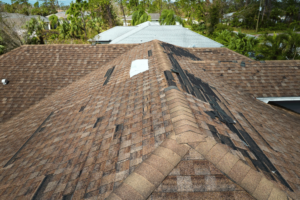
Common warning signs include missing shingles, sagging areas, and visible granule loss. These issues reduce a roof’s ability to withstand high winds and rain. Early identification allows homeowners in Lamont to address weaknesses before hurricane season intensifies.
Prioritizing Immediate Repairs to Prevent Further Damage
Small issues can quickly become larger problems during storms. In Lamont, sudden downpours can turn minor roof openings into active leaks within hours, making timely residential roof preventative maintenance an important step. Addressing these issues early helps prevent water intrusion and structural damage.
Evaluating Material Options for Storm Resistance
Different roofing materials offer varying levels of durability and wind resistance. In Lamont, frequent storms and high humidity require materials that can withstand wind uplift and prolonged exposure to moisture, such as standing-seam metal roofing systems designed for durability. Choosing the right material improves long-term performance in local conditions.
Coordinating Inspection and Repair Timelines
Proper scheduling ensures inspections, repairs, and replacements are completed before peak storm activity. Homeowners benefit from planning to avoid delays caused by high seasonal demand. This coordination reduces risk during periods of inclement weather.
Considering Preventive Maintenance Plans
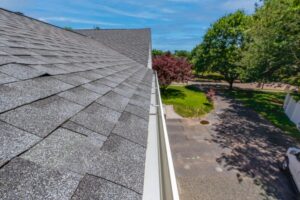
Routine maintenance helps prevent hurricane roof damage by keeping systems in good condition. In Lamont, seasonal debris buildup and moisture exposure can accelerate wear between storms, and adding support systems like gutters can help manage water flow more effectively. Preventative care helps maintain performance and improves readiness for future weather events.
Lock In $1,500 in Savings and Get Your Lamont Roof Storm-Ready Before the Next Hurricane.
Tadlock Roofing helps Lamont homeowners prepare for hurricane season with dependable inspections and clear guidance after storm damage, making it easier to protect your home and take advantage of limited-time savings before conditions worsen. Contact us to schedule your inspection today.
Frequently Asked Questions
What is the best time for a roof inspection before hurricane season?
The best time is early spring before storm activity increases. This allows enough time to identify issues, complete repairs, and ensure the roof is ready to handle heavy winds and rainfall during peak hurricane months.
How can homeowners improve hurricane roof damage prevention?
Homeowners can improve prevention by regularly maintaining their roof, replacing damaged materials, and ensuring proper sealing around vulnerable areas. Routine inspections also help detect problems early before storms cause more extensive damage.
What are the most common signs your roof is not hurricane-ready?
Common signs include missing shingles, loose flashing, sagging areas, and water stains inside the home. These issues indicate weaknesses that can worsen during storms and should be addressed before hurricane season begins.
Why work with a roofing contractor in Lamont, FL, for storm damage repair?
A local contractor understands regional weather conditions and building requirements. This experience helps ensure accurate inspections, proper repair methods, and better preparation for future storms common in the Lamont area.