Granule loss on an asphalt roof often starts quietly. Many North and Central Florida homeowners first notice a few granules in gutters or at the base of downspouts after heavy rain. While some granule shedding is part of normal wear, other patterns point to deeper problems within the roof system.
Understanding what causes shingle granules to loosen, and when that loss becomes a warning sign, helps homeowners protect the entire roofing system and avoid costly repairs.
Key Takeaways
- Minor granule loss is normal for asphalt shingles, especially on a new roof or an aging roof exposed to Florida heat.
- Severe weather, poor attic ventilation, and improper installation can accelerate granular loss and shorten a roof’s lifespan.
- Widespread granule loss, bald spots, or exposed asphalt often signal the need for professional repair or a full roof replacement.
- Regular roof inspections help detect granular loss early and reduce the risk of roof leaks and premature failure.
Common Causes of Roof Granule Loss in Florida Homes
Granule loss rarely has a single cause. In North and Central Florida, environmental stress, drainage performance, and installation quality across the entire roofing system all play a role.
Normal Aging and Surface Wear
Over time, asphalt shingles lose granules as part of normal aging.
Constant exposure to UV rays, heat build-up, and seasonal storms slowly wears down the shingle surface, allowing a few granules to dislodge.
From a service provider’s perspective, this light shedding is expected as the asphalt binder dries out with roof age. But it should remain evenly distributed without bald spots, especially on older systems that may also include residential asbestos roofing replacement considerations.
Severe Weather and Heavy Rain
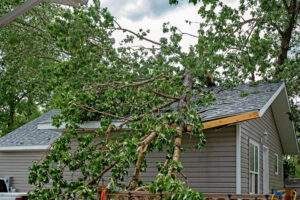
Florida storms regularly knock granules loose through wind-driven rain and sudden pressure changes. Severe weather can dislodge granules when water hits the shingle surface with force or when debris impacts surrounding shingles.
Roofing professionals often see spikes in granules in gutters after hurricanes or tropical systems, which is why properly designed gutters play an important role in protecting surrounding shingles and managing runoff.
Poor Attic Ventilation and Heat Build-Up
Improper attic ventilation traps heat beneath the roof deck, causing the asphalt layer to overheat. Excessive heat breaks down the asphalt binder that holds protective granules in place, leading to premature granule loss.
From a contractor’s standpoint, poor ventilation is one of the most common hidden reasons shingles lose granules faster than expected in Florida homes. And it often overlaps with residential attic insulation performance issues.
Improper Installation or Manufacturing Defects
Shingles installed incorrectly, or produced with manufacturing defects, may experience premature granule shedding. Poor installation techniques, such as improper nailing or inadequate sealing, weaken shingle integrity and allow granules to loosen early.
Roofing professionals can often identify this issue during an inspection by spotting uneven granular loss across multiple shingles, including on low-slope and flat roofing systems where installation precision is critical.
Foot Traffic and Mechanical Damage
Walking on a roof can dislodge granules, especially during hot weather when shingles are more flexible. Service providers frequently see granular loss caused by foot traffic from satellite installations, HVAC work, or untrained inspections.
This type of damage is commonly observed during service visits in areas such as Tallahassee and Pensacola, where roofs are frequently accessed after storm activity.
When Granule Loss Signals Repair or Replacement Decisions
Not all granule loss requires immediate action, but certain patterns indicate a higher risk to the roof system.
Granules in Gutters and Downspouts
A few granules in gutters can be normal, but large accumulations suggest significant granule loss. From a roofing professional’s viewpoint, this often means the protective layer is breaking down across multiple shingles.
When granules collect after every storm, the roof’s lifespan may be shortening faster than expected.
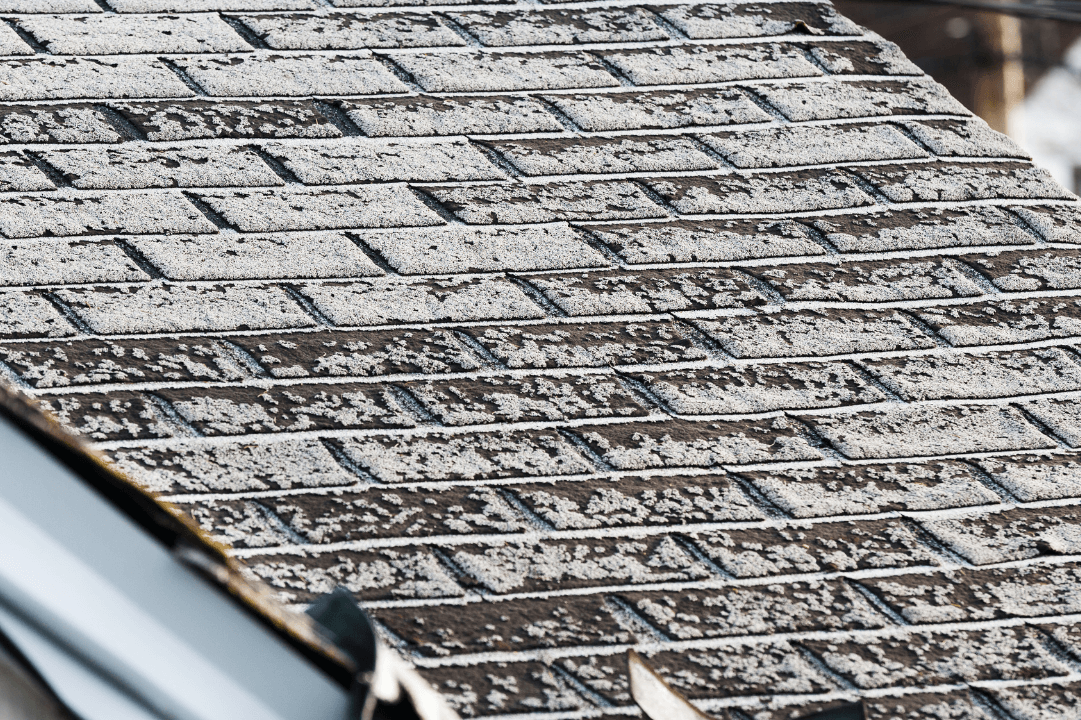
Bald Spots and Exposed Asphalt
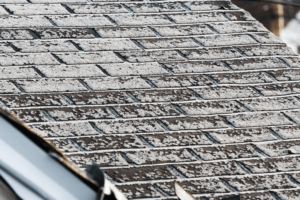
Bald spots where granules are missing leave bare asphalt vulnerable to UV rays and moisture retention. Exposed asphalt absorbs heat and accelerates shingle aging, increasing the likelihood of roof leaks.
Contractors view bald spots as a clear warning sign that shingle performance and fire resistance are compromised.
Widespread Granule Loss Across the Entire Roof
Granular loss limited to a small area may allow for targeted repairs, but widespread granule loss across the entire roof often points to system-wide failure. Roofing professionals typically recommend planning for roof replacement when multiple shingles show advanced surface wear and exposed asphalt.
Granule Loss on an Older Asphalt Roof
On older roofs nearing the end of their expected service life, granule loss accelerates rapidly. From a service provider’s perspective, investing in repeated repairs on an aging asphalt roof can lead to higher long-term costs.
In these cases, a full roof replacement may be the most practical option to avoid ongoing issues.
Schedule a Professional Roof Inspection
Granule loss is one of the earliest warning signs that your roof system may need attention. Tadlock Roofing helps North and Central Florida homeowners understand how much granule loss is normal and when action is needed. Schedule a professional roof inspection with Tadlock Roofing to protect your home and avoid unexpected repairs.
Contact us to discuss inspection findings and next steps.
Frequently Asked Questions
Is shingle granule loss always a problem?
Shingle granule loss is not always a problem. Minor granule loss is part of normal wear, especially on new asphalt shingles or older roofs. Roofing professionals become concerned when granule loss is uneven, widespread, or exposes the asphalt layer beneath the shingles.
How much granule loss is too much?
Granule loss becomes a concern when large amounts collect in gutters, bald spots appear, or multiple shingles lose their protective granules. A professional inspection is the best way to determine whether granular loss is within normal limits or signals a deeper issue.
Can poor attic ventilation cause roof leaks?
Yes, poor attic ventilation can contribute to roof leaks. Heat build-up weakens the asphalt binder, leading to premature granule shedding and reduced shingle integrity. Over time, this increases the risk of moisture intrusion and damage to the roof system.
Should I repair or replace a roof with granule loss?
The decision depends on roof age and the extent of granular loss. Isolated damage may allow for repairs, while widespread granule loss on an older roof often makes replacement the more cost-effective solution. A roofing professional can provide guidance after a detailed inspection.