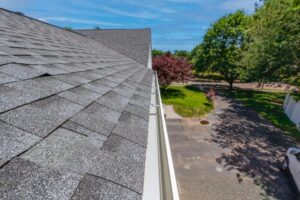


Although Florida winters are nowhere as harsh as some of our northern neighbors’, there are still steps to take to ensure your roofing system will keep the cold and wet on the outside and the cozy warm air inside during the chilly months ahead.
Here’s a quick checklist to knock out before the winter weather arrives:
CLEAN YOUR ROOFTOP
Not only should you keep your gutters clean, it’s also important to keep leaves, branches, pine needles and other debris off your rooftop at all times. Even small bits and piles of debris may begin to rot or mold, which will break down your roofing system over time.
If you feel comfortable climbing up and working on your rooftop, use a broom or blower (never a rake) to clean off any debris. Pay extra attention to the valleys; be sure they are clear and water can flow, as they are most susceptible to water damage.
If your rooftop has that common blackish-colored coat of algae growing on it, you may want to consider having it professionally cleaned and treated to prevent further occurrences. We recommend a product called Roof-A-Cide®, which is the only EPA-approved algaecide/fungicide specifically designed and approved for use on roofs.
CHECK YOUR ROOF FOR DAMAGE AND DETERIORATION
After your rooftop is clean and debris-free, take a close look at the entire surface and all parts of your roof system. Again, if you are comfortable working on your rooftop, this is the best vantage point to spot potential problems. If you’re not comfortable working on your rooftop, you can still inspect it from the ground using a good pair of binoculars.
You will want to pay close attention to:
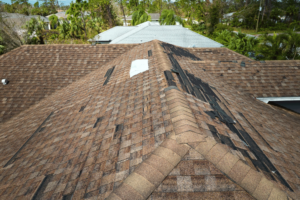
- Loose, broken or missing shingles, and replace them or have them replaced.
- The flashing around your chimney, vent pipes, skylights and any other roof projections, to be sure they are properly sealed to keep out rain and moisture.
- If your roof is more than 15 years old, it may be time to replace it. While replacing a roof can be expensive, paying for the damage caused by a leaking roof, in addition to a replacement roof, can be much more costly.
- Use a hose to rinse the gutters out and flush water through your downspouts; you might need a chimney brush or broom handle to push through any stubborn clogs. Clean up the debris you remove from the downspouts and gutters so it doesn’t collect at the end of the pipe.
- Install leaf guards on your gutters to prevent falling debris from accumulating.
- Add extensions to your downspouts to send the flowing water farther away from your home’s foundation.
- Inspect the condition of your insulation. Note whether it looks uniform in height and volume throughout, or if it is worn or disturbed in some places.
- Add or have a professional add extra insulation to your attic, if needed.
- Make sure all attic vents and fans are working and installed properly. Also look for signs of animal activity, as squirrels and other small animals may take advantage of a poorly installed vent and nest in your attic.
- Check for stains and potential leaks in the attic, crawlspace or upstairs ceilings. These may be visible in the under-roofing (usually plywood sheets the shingles are nailed into) or in an area where the insulation looks beaten down or disturbed.
- If you see anything that looks suspicious, make note of the exact areas and check them again immediately after a rainstorm. If you feel any dampness or if the appearance has changed, you may have a leak.
- Consider having a professional energy auditor or weatherization contractor conduct an inspection and make or recommend changes.