Florida’s year-round humidity may feel like a fact of life, but for homeowners, it’s also one of the most common causes of premature roof wear.
The combination of high humidity, intense heat, and salt-laden air can dramatically shorten a Florida roof’s lifespan—especially without proactive care. Understanding how humidity affects roofing materials and what proper maintenance steps to take can make the difference between a roof that lasts 10 years and one that lasts 25.
Key Takeaways
- Florida’s humidity accelerates roof deterioration by trapping moisture and encouraging mold growth.
- Proper ventilation and attic insulation help control indoor moisture levels and extend the lifespan.
- Regular roof maintenance prevents hidden humidity damage before it becomes costly.
- Professional inspections and algae-resistant roofing materials suited for humid environments make long-term protection possible.
How Florida Humidity Accelerates Roof Wear and Aging
In North and Central Florida, moist air is more than a comfort issue—it’s a building challenge. Prolonged humid conditions break down roofing materials faster than dry weather, causing issues that many Florida homeowners don’t notice until significant damage appears.
This section explains the main ways constant humidity silently affects roofs and what professionals look for when diagnosing early signs of structural damage.
Moisture Penetration and Material Breakdown
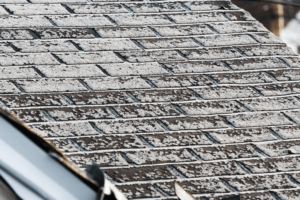
Constant humidity weakens roof surfaces from the inside out. Asphalt shingles begin to lose their protective granules, and porous materials in the underlayment can swell or buckle as excess moisture accumulates. In many homes, the first indication of damage is subtle staining or musty odor near attic moisture buildup.
By maintaining adequate attic ventilation and keeping attic insulation in good condition, homeowners can minimize moisture buildup that otherwise shortens the roof’s lifespan.
Mold, Mildew, and Hidden Structural Damage
Warm, damp air creates the perfect environment for microbial growth. Mold and mildew not only stain roofing systems but also compromise roof structure and framing.
In our Florida humid climate, where summer relative humidity rarely drops, roof mold spreads quickly once it finds a damp surface. Regular roof maintenance and inspection prevent small colonies from becoming costly repairs, preserving both the attic and the roof deck.
Impact on Metal and Tile Roof Systems
Even durable materials like metal roofing and tile roofing systems are not immune to Florida’s humid climate. Prolonged exposure to moist air encourages corrosion in fasteners and causes concrete tiles or clay tiles to separate from softened underlayment.
Homeowners often choose these options for energy efficiency and longevity, but without specialized cleaning solutions and protective coatings, even metal roofs can corrode in humid conditions. Partnering with a roofing professional ensures roof integrity is protected through routine care and regular inspections.
Maintenance Priorities and Timing for Long-Lasting Roofs
Florida homeowners often focus on hurricane protection, but humidity control should be a year-round priority. The right preventive steps help roofs resist moisture, maintain energy efficiency, and preserve structural integrity for decades.
Seasonal Inspections and Preventive Care
High humidity means even minor roof issues can worsen rapidly. Semi-annual professional roof inspections—especially before and after hurricane season—help identify soft spots, minor leaks, or early shingle wear. A qualified roofing professional can detect small ventilation problems, trapped moisture, or compromised flashing before damage spreads.
Regular cleaning of gutters and trimming overhanging branches also ensures proper drainage, preventing trapped humidity near the roof edges that can cause rot or wood rot. Keeping clean gutters and removing debris also reduces algae and dark streaks along the roof ridge.
Ventilation and Insulation Balance
Balanced airflow between the attic and outdoors is essential in humid environments. Without proper ventilation, attic moisture condenses and seeps into the roof decking, weakening materials over time. Installing ridge vents and improving attic insulation stabilizes temperature and humidity levels.
This approach not only protects against algae growth and UV damage but also reduces heat absorption during Florida’s sunny months. With consistent proper ventilation, roofs stay drier and more durable across Florida’s rainy season.
Smart Upgrades and Re-Roofing Decisions
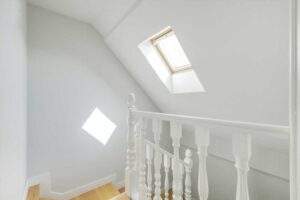
When roofs approach the end of their service life, humidity-resistant roofing system upgrades make a lasting impact. Homeowners considering re-roofing should choose algae-resistant shingles or copper or zinc granules that combat microbial growth. Adding features such as skylight installation with sealed flashing improves lighting while maintaining roof integrity.
For metal roofs, choosing corrosion-resistant materials protects against prolonged exposure to salt and humid conditions. Each of these upgrades ensures your next roof installation performs better under Florida’s humidity and intense sun.
Protect Your Roof and Home with Professional Support
Florida’s humidity is relentless, but protecting your home doesn’t have to be. Tadlock Roofing provides regular inspections, maintenance, and roofing system solutions tailored to Florida’s humid climate. Whether you need minor repair or full replacement, our experts deliver protection built for humid conditions, storm damage, and long-term performance.
Explore our service area and request a free estimate today.
Frequently Asked Questions
What are the first signs of humidity damage on roofs?
Look for dark streaks, peeling paint, or soft decking near the attic—these are early signs of trapped moisture and potential mold growth. Over time, excess humidity can cause roof surfaces to weaken, leading to leaks or wood rot in Florida homes. A professional roof inspection can detect these problems early and recommend specialized cleaning solutions.
Which roofing materials perform best in Florida homes?
The best materials for Florida’s humid climate include metal roofs, tile roofs, and asphalt shingles with algae-resistant properties. Using copper or zinc strips or protective coatings on porous materials helps prevent algae growth and corrosion. Corrosion-resistant materials and algae-resistant shingles maintain a clean, durable appearance even through Florida’s rainy season.
How often should I have my roof inspected in a humid climate?
Experts recommend regular inspections twice yearly—before and after hurricane season—to maintain roof integrity and prevent significant damage. These visits help detect issues like clogged gutters, attic ventilation problems, or worn sealants. Keeping up with inspections helps your roofing system resist constant humidity and extend your roof’s lifespan.
Does roof ventilation really make a difference in humid areas?
Absolutely. Proper ventilation allows moist air to escape through ridge vents, reducing attic moisture and extending your roof’s life. When combined with adequate attic ventilation and proper drainage, ventilation prevents excess moisture from weakening the roof structure. Maintaining airflow also improves energy efficiency, keeping Florida homes cooler during intense heat.