For Florida homeowners, a roof is the first line of defense against heat, heavy rain, and hurricane-season storms. When a roof is installed incorrectly, problems often appear much sooner than expected, leading to leaks, higher energy bills, and premature wear.
Understanding the signs of poor roof installation florida homeowners experience can help you take action early and protect your home before minor warning signs turn into major structural issues that require extensive repair or even full replacement.
Key Takeaways
- Poor roof installation often reveals itself through water stains, missing shingles, loose shingles, and early material failure.
- Florida weather, including high winds and heavy rain, can amplify common mistakes tied to improper installation very quickly.
- A professional roofing contractor evaluation is essential to determine whether issues stem from poor workmanship or normal aging of the roofing system.
- Early action with an inspection helps prevent costly repairs, further damage, and long-term water damage.
Key Signs Of Poor Roof Installation In Florida Homes
Poor installation does not always show up immediately after a new roof is completed. In many Florida homes, roofing issues promptly become noticeable only after exposure to the elements, sun, rain, and wind.
The following signs are among the most common poor roof installation signs on asphalt shingle roofs and other systems seen across Tallahassee, Pensacola, and Panama.
Recurring Leaks And Water Intrusion
Homeowners often notice roof leak issues caused by bad installation when water intrusion appears around chimneys, vents, vertical wall transitions, or along interior ceilings after routine storms. From a roofing contractor’s perspective, these problems frequently stem from metal flashing, step flashing, or drip edge that was installed incorrectly or reused as old flashing instead of new flashing.
Even a small gap at the roof meets point can allow water infiltration, bypassing the water barrier and causing mold growth and hidden damage to the roof deck, attic, walls, and ground areas without maintenance from a professional.
Uneven Or Prematurely Failing Shingles
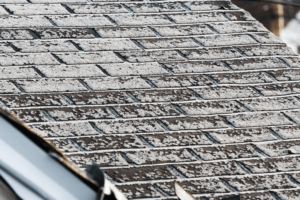
Another major warning sign homeowners see includes misaligned, missing, or loose shingles that fail long before expected. These issues commonly occur when roofing materials are not fastened per manufacturer instructions, nails are placed incorrectly, or proper installation standards are ignored.
A professional roofer regularly sees this with shingles exposed to high winds, leading to compromised structural integrity and avoidable repair needs across Florida neighborhoods.
Improper Flashing And Underlayment Performance
Roof flashing problems and repair tips are a major focus during professional evaluations. When flashing is cut short, poorly sealed, or absent near eaves, gutters, and problem areas, water travels behind the surface materials instead of away from the home.
From the roofing company’s standpoint, underlayment installation mistakes and solutions are critical because underlayment protects the roofing system beneath the surface. When this layer is installed incorrectly, moisture can reach the roof deck, encourage mildew growth, and weaken quality materials meant to provide long term protection.
What To Do After Spotting Installation Problems
Once installation signs are visible, homeowners should act quickly instead of waiting for additional storm damage. Addressing roofing problems early helps protect the home’s structural integrity, attic space, and interior finishes.
These steps reflect how experienced Florida contractors recommend homeowners respond.
Schedule A Professional Roof Evaluation
The first step is arranging a detailed inspection with a professional roofing contractor.
From a service provider’s perspective, inspections follow a structured roof inspection checklist for new roofs to evaluate inadequate ventilation, flashing failures, and whether the roof was properly installed according to local building codes. This inspection determines whether repairs, adjustments, or full system corrections are required.
Document Issues And Understand Repair Options
After inspection findings are shared, a qualified roofing contractor helps homeowners document visible water stains, water damage, and hidden weaknesses for insurance or planning purposes. Experts explain how to fix a poorly installed roof in Florida by correcting flashing, ventilation, fastening, and drainage paths.
In many cases, focused repairs combined with ongoing maintenance can help protect the home and ensure long-term protection without immediate replacement.
Plan Long-Term Solutions If Needed
When installation failures affect multiple sections of the roofing system, long-term solutions may be necessary. From the roofing industry perspective, repeated leaks, compromised decking, and ventilation failures often point to a poorly installed roof that requires partial or full replacement.
Proactive planning helps homeowners protect their property, avoid repeated repairs, and restore confidence in their roof installation.
Get Trusted Roofing Help Across Florida
If you are seeing signs of poor roof installation or simply want clarity about your roof’s condition, we are here to help. At Tadlock Roofing, our team brings decades of hands-on experience, a strong safety focus, and a deep understanding of Florida-specific weather challenges to every inspection and recommendation.
When you are ready to take the next step, you can contact us to schedule a free estimate and have your roof evaluated by professionals you can trust. Whether you need straightforward answers, expert guidance, or a clear plan to fix existing issues, you can request support online or speak directly with our team by calling 855-559-7878.
Frequently Asked Questions
What are the most common signs of poor roof installation that Florida homeowners notice first?
Florida homeowners most often notice leaks, water infiltration, misaligned or lifting shingles, and interior water stains shortly after heavy rain or high winds. These warning signs usually appear around vents, valleys, chimneys, or ceiling edges where installation precision matters most. In many cases, the problems surface within the first few years of a new roof, pointing to poor workmanship or installation errors rather than normal material aging.
Can roof leak issues caused by bad installation be fixed without replacing the entire roof?
Yes, many roof leak issues caused by bad installation can be corrected without replacing the entire roof, especially when the problems are localized. Issues related to flashing, ventilation, fastener placement, or sealing details can often be resolved with targeted repairs. A professional inspection is essential to determine whether the roof structure and materials are still sound or if the installation flaws are widespread enough to require more extensive work.
How soon should I act after noticing installation problems?
Homeowners should act as soon as installation problems are noticed. Even small leaks or minor shingle issues can allow moisture to spread into the attic, insulation, and roof deck. Over time, this can lead to mold growth, wood rot, and structural issues that significantly increase repair costs. Prompt evaluation helps limit damage and preserve more repair options.
Do underlayment installation mistakes always require roof replacement?
No, underlayment installation mistakes do not always require full roof replacement. If the issue is confined to a specific area and caught early, corrective repairs may be possible without disturbing the entire roofing system. However, when underlayment problems are widespread or combined with other installation failures, partial or full replacement may be the safest and most reliable long-term solution.
Is regular roof maintenance helpful even if the installation was flawed?
Yes, regular roof maintenance is still very helpful even when the original installation was not ideal. Routine inspections and maintenance help identify worsening problem areas, manage moisture risks, and slow further deterioration. While maintenance cannot fully correct installation errors, it plays an important role in protecting the home, extending roof performance, and planning future repairs or replacement at the right time.